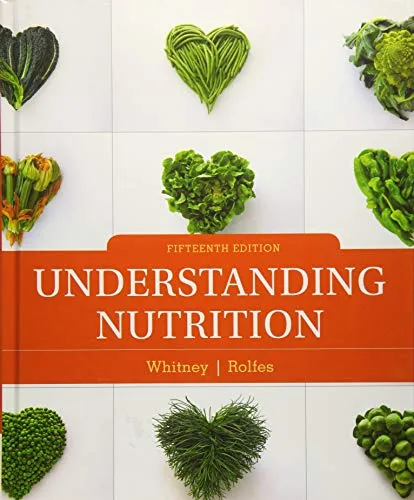
Understanding Nutrition, fifteenth edition, presents the science of food, nutrients, and metabolism for introductory nutrition students. It connects digestion, macronutrients, vitamins, and minerals with energy balance, nutrition across the lifespan, and diet-related disease. Food safety and production issues widen the scope from individual nutrient requirements to the food system.
Inside this title
Digestion, nutrient absorption, and the metabolism of food
Current listed price $36.99Regular price $102.00Digital ebook
The text follows nutrients from food through digestion and absorption to their roles within the body. Carbohydrates, lipids, proteins, vitamins, and minerals are examined in terms of structure, function, sources, and the effects of deficiency or excess. Energy metabolism provides context for discussions of body weight and energy balance.
Later coverage considers nutritional needs during pregnancy, infancy, childhood, and older adulthood. Dietary guidance is discussed alongside relationships between food intake and conditions such as cardiovascular disease, diabetes, and osteoporosis. Food contaminants, additives, safety, and sustainable production add a broader perspective. Students can use the fifteenth edition to connect chemical and physiological principles with questions commonly addressed in nutrition study.
Study guide included
Inside Understanding Nutrition, 15th Edition.
Ellie Whitney and Sharon Rady Rolfes frame nutrition as a science whose findings must survive translation into everyday eating. Their fifteenth edition moves from nutrient chemistry and digestion toward metabolism, micronutrients, and needs at each stage of life, then considers foodborne hazards, limited food access, and the ecological side of producing what people consume.
Opening chapters explain how requirements are set and how diets get planned. The middle of the book traces carbohydrates, fats, and proteins from the gut into circulation, then covers metabolic pathways, body composition, vitamins, and water. Fitness and life-stage chapters follow, and the closing units address chronic illness, consumer protection, and hunger. A steady emphasis falls on interpretation: a number on a label or a reference intake settles only the narrow question it was designed for, and readers are pushed to ask who was studied and under what conditions.
Choosing a reference intake
Several reference figures exist because each answers a different question. One marks the intake suiting half of a healthy population, another aims at almost everyone, a third fills a gap where evidence remains thin, and a fourth warns about harm from habitual excess. Identifying the intended use first keeps a ceiling from being mistaken for a goal or a floor.
Estimated Average Requirement suits group halves
The RDA target covers nearly everyone
Adequate Intake fills an evidence gap
The upper-level figure warns of excess
Ch. 1–2 · Nutrition overview and healthy diet planning
Macronutrients from bite to cell
Chewing and chemical secretions reduce food to absorbable pieces. What enters the body then travels by blood or by lymph, a split that depends on the nutrient's form. Separate chapters cover sugars, starches, fiber, fats, and protein, treating each as a chain from molecular shape to digestive fate, physiological job, dietary source, and the reasoning behind intake targets.
Chewing and secretions start the process
Absorbed fats travel first through lymph
Fiber resists breakdown and acts differently
Protein supplies amino acids for repair
Ch. 3–6 · Digestion, carbohydrates, lipids, and protein
Metabolism, fuel, and body weight
Metabolic chemistry either releases energy from nutrients or assembles and stores them, with the pattern flipping between fed and fasting hours. Body mass and composition reveal different things, and a person's resting burn, movement, surroundings, and habits all bear on the long-run balance. The authors warn against drastic methods and against shaming, asking readers to weigh any shift against elapsed time, measurement reliability, and personal situation.
Fed and fasting states use different routes
Resting burn and movement both matter
Mass and composition are distinct measures
Brief fluctuations can mislead
Ch. 7–9 · Metabolism, energy balance, and weight management
Micronutrients and fluid balance
Whether a vitamin dissolves in water or in fat changes how the body absorbs, stores, and tolerates it. Bulk minerals and water sustain fluid distribution, pH control, and physical framework such as bone; trace elements serve narrower jobs, including carrying oxygen. Total intake, uptake efficiency, losses, and interactions between nutrients all shape status, which is why a supplement slogan rarely tells the whole story.
Solubility governs storage and excess risk
Calcium builds and maintains bone
Iron transports oxygen in blood
Uptake and losses shape status
Ch. 10–13 · Vitamins, water, and minerals
Movement, growth, and later life
Movement alters both energy demand and physical adaptation, while requirements rise or shift during pregnancy, breastfeeding, infancy, childhood, and the teen years. In later decades, illness, prescriptions, appetite, mobility, and access to food all enter the calculation. Population figures appear as a reference for groups, never as a personal prescription, and nutrient content is read alongside texture, safety, and daily routine.
Pregnancy and breastfeeding raise particular needs
Growing children require ample energy
Prescriptions may interfere with nutrients
Appetite and mobility affect intake later
Ch. 14–17 · Fitness and life cycle nutrition
Diet, safety, and the food supply
Dietary patterns correlate with long-term illness, yet a group-level link cannot predict an individual's fate. Consumer chapters discuss contaminated food, drinking water, and genetic modification, while the hunger material looks at earnings, geography, refrigeration, and transport. Lasting menu changes depend on whether neighborhoods and supply chains make them workable, not merely on whether a package looks healthful.
Ask which study and group apply
Limited access restricts safe choices
Storage and transport affect usability
Supply conditions decide lasting change
Ch. 18–20 · Diet and health, consumer concerns, and hunger
Chapter and section map
An Overview of NutritionCh. 1 · p. 2
Planning a Healthy DietCh. 2 · p. 34
Digestion, Absorption, and TransportCh. 3 · p. 68
Energy MetabolismCh. 7 · p. 196
Energy Balance and Body CompositionCh. 8 · p. 230
Water and the Major MineralsCh. 12 · p. 358
Life Cycle Nutrition: Pregnancy and LactationCh. 15 · p. 458
Hunger and the Global EnvironmentCh. 20 · p. 644
Key takeaways
Pick the reference figure that matches the question: sufficiency, planning, and excess are separate matters.
Compare foods at portions real people eat, within meals they can genuinely assemble.
Inspect study design and living conditions before converting a claim into a working program.
Students beginning nutrition science, allied health trainees, and general readers who want a systematic foundation for judging diet advice, reading food labels, and understanding how nutrients move through the body.
Topics covered
nutrition science
dietary reference intakes
macronutrient functions
micronutrients and water
energy balance
life stage nutrition
food insecurity
introductory nutrition
Questions about this ebook.
Edition, audience, and study-guide details at a glance.
What is Understanding Nutrition, 15th Edition about?
Understanding Nutrition, fifteenth edition, presents the science of food, nutrients, and metabolism for introductory nutrition students. It connects digestion, macronutrients, vitamins, and minerals with energy balance, nutrition across the lifespan, and diet-related disease. Food safety and production issues widen the scope from individual nutrient requirements to the food system.
Which edition of Understanding Nutrition, 15th Edition is this?
This listing is for the 15th edition. Check the title, ISBN, and book details above before ordering, especially if your course or reading list names a specific edition.
Who is Understanding Nutrition, 15th Edition for?
Students beginning nutrition science, allied health trainees, and general readers who want a systematic foundation for judging diet advice, reading food labels, and understanding how nutrients move through the body.
Does this page include a study guide?
Yes. This page includes an original study guide with six thematic sections, key takeaways, and a chapter and section map for structured reading.