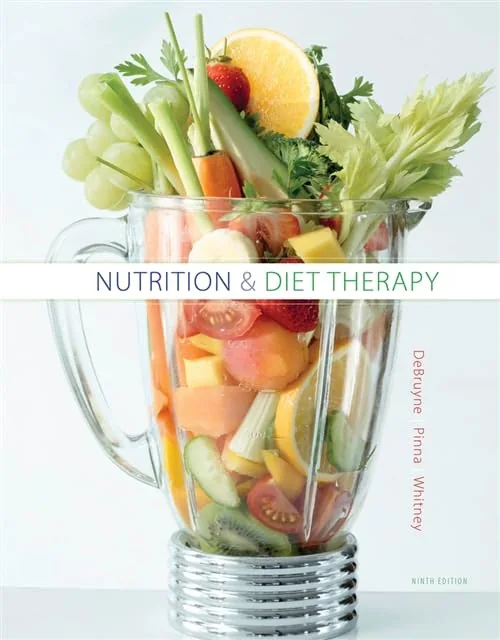
Nutrition & Diet Therapy, Ninth Edition, connects nutrient science with dietary assessment and therapeutic nutrition. Written for nutrition and healthcare learners, it covers metabolism, energy balance, lifespan needs, and dietary approaches to common diseases. Cultural influences, weight management, and enteral and parenteral feeding extend its clinical and practical scope.
Inside this title
Nutrient metabolism and energy balance as nutritional foundations
Current listed price $29.99Regular price $60.00Digital ebook
Fundamental nutrition concepts establish the basis for examining how diets change in response to health conditions. Macronutrients, micronutrients, metabolism, and energy balance are considered alongside dietary, anthropometric, biochemical, and clinical assessment methods. The text then explores nutrition in conditions including diabetes, cardiovascular disease, renal disorders, and digestive illness.
Lifespan coverage runs from pregnancy to older adulthood, while discussions of cultural and socioeconomic influences place food choices in context. Weight management and enteral and parenteral nutrition add further care-related topics. Cases encourage readers to connect assessment information with dietary decisions, making the ninth edition useful for students studying the relationship between nutrition principles and healthcare practice.
Study guide included
Inside Nutrition & Diet Therapy, 9th Edition.
DeBruyne, Pinna and Whitney tie nutrient physiology to the practical construction of therapeutic diets. The ninth edition asks how food, texture, energy and individual nutrients can be adjusted when illness alters eating, digestion, absorption or metabolism, so a dietary order can be traced back to a physiological reason.
The text moves from nutrition science and energy balance through vitamins, minerals, activity and the life span, then follows care into medication interactions, specialized feeding and diet changes for digestive, cardiovascular, kidney, metabolic and other conditions. Chapter titles often name the dietary feature under discussion, which lets a reader connect a proposed modification to the function it targets and to the person's capacity to follow it. Cultural patterns, weight management and enteral or parenteral routes extend the clinical reach beyond the hospital ward.
From meals to absorbed nutrients
Carbohydrate, fat and protein supply energy or building material and take part in processes with distinct requirements. Fiber, essential fatty acids and amino acid supply show why composition matters alongside quantity. Food and label material helps readers locate sources and see how meals add up over days. The digestive tract then changes food mechanically and chemically, moves it along and absorbs the products, with accessory organs contributing secretions.
Trace each macronutrient through digestion
Note where secretions enter the process
Judge quality as well as quantity
Chs. 1–5 · Nutrients, digestion, and absorption
Energy, micronutrients and activity
Intake, expenditure and body composition help explain weight change over time, though every measure carries uncertainty and needs activity and health history beside it. Vitamins and minerals are presented through function, source, deficiency and toxicity, with water and electrolytes supporting fluid balance. Variety covers many requirements at once, while supplement questions demand attention to total exposure. Fitness adds energy and hydration demands during exercise.
Read weight change as a trend
Ask about total nutrient exposure
Separate intake estimates from status
Chs. 6–10 · Energy, vitamins, minerals, and fitness
Needs across the life span
Pregnancy and lactation change energy and nutrient requirements and embed food decisions in family life. Infancy brings feeding development and the shift to complementary foods; childhood and adolescence combine growth and independence with family resources, school meals and cultural habits. Later life can bring altered appetite, senses, mobility and medication, so a low intake record may reflect access, preparation or social circumstances rather than need alone.
Place recommendations in everyday settings
Separate access barriers from need
Ask who shops and prepares food
Chs. 11–13 · Nutrition through the life span
Assessment, planning and nutrition support
Clinical chapters combine nutrition and medical history, intake data, body measurements, laboratory results and physical observation, with meaning depending on context. An intervention should answer a documented problem and name how its result will be tracked. Preferences matter because an uneaten diet accomplishes little. Enteral feeding uses the gut and parenteral feeding a vein; the choice involves organ function, feasibility, goals, risk and monitoring.
Anchor each intervention to a problem
Record preferences that affect intake
Distinguish gut access from adequate intake
Chs. 14–16 · Illness, interactions, and specialized nutrition support
Digestive disorders and diet changes
Upper tract problems may affect chewing, swallowing or tolerance, while lower tract conditions raise questions about fiber type and amount. Malabsorption chapters consider how impaired digestion or uptake changes the fate of carbohydrate and fat. The clinical goal differs, so the same symptom does not identify which modification helps. Liver and gallbladder disease introduce further questions about nutrient handling, bile and tolerance of meals, and a change aimed at one problem may reduce intake elsewhere.
Separate texture, fiber and absorption issues
Match the change to the affected function
Check that intake does not fall
Chs. 17–20 · Digestive tract, malabsorption, liver, and gallbladder
Chronic disease and metabolic stress
Diabetes chapters connect carbohydrate distribution with monitoring, medication and activity; cardiovascular chapters consider fat, pressure and minerals; kidney disease adds protein, mineral, fluid and stage-specific questions. Priorities shift as condition or treatment changes, so individual assessment is unavoidable. Under metabolic or respiratory stress, cancer and HIV, appetite, energy needs and muscle maintenance may all move, and follow-up should connect what was eaten or delivered with outcomes the plan cares about.
Coordinate diet with medication and monitoring
Reassess priorities as disease changes
Tie follow-up to planned outcomes
Chs. 21–25 · Diabetes, cardiovascular and kidney disease, stress, cancer, and HIV
Chapter and section map
Macronutrients and digestionChs. 1–5
Energy, weight, and micronutrientsChs. 6–10
Life span nutritionChs. 11–13
Illness and nutrition supportChs. 14–16
Digestive and liver disordersChs. 17–20
Diabetes, cardiovascular, and kidney diseaseChs. 21–23
Metabolic stress, cancer, and HIV infectionChs. 24–25
Key takeaways
Name the physiological or practical barrier a diet change targets, then check that the change addresses it.
Read intake, laboratory data, measurements and symptoms together instead of trusting one source.
Track tolerance and how much is actually eaten after a modification so effectiveness can be judged.
Nutrition and healthcare students, dietetics trainees and clinical staff who need to connect nutrient science with therapeutic diet planning and feeding decisions for patients with common acute and chronic conditions.
Topics covered
clinical nutrition
diet therapy
macronutrient metabolism
digestion and absorption
nutrition assessment
enteral nutrition
medical nutrition therapy
life span nutrition
chronic disease diets
Questions about this ebook.
Edition, audience, and study-guide details at a glance.
What is Nutrition & Diet Therapy, 9th Edition about?
Nutrition & Diet Therapy, Ninth Edition, connects nutrient science with dietary assessment and therapeutic nutrition. Written for nutrition and healthcare learners, it covers metabolism, energy balance, lifespan needs, and dietary approaches to common diseases. Cultural influences, weight management, and enteral and parenteral feeding extend its clinical and practical scope.
Which edition of Nutrition & Diet Therapy, 9th Edition is this?
This listing is for the 9th edition. Check the title, ISBN, and book details above before ordering, especially if your course or reading list names a specific edition.
Who is Nutrition & Diet Therapy, 9th Edition for?
Nutrition and healthcare students, dietetics trainees and clinical staff who need to connect nutrient science with therapeutic diet planning and feeding decisions for patients with common acute and chronic conditions.
Does this page include a study guide?
Yes. This page includes an original study guide with six thematic sections, key takeaways, and a chapter and section map for structured reading.