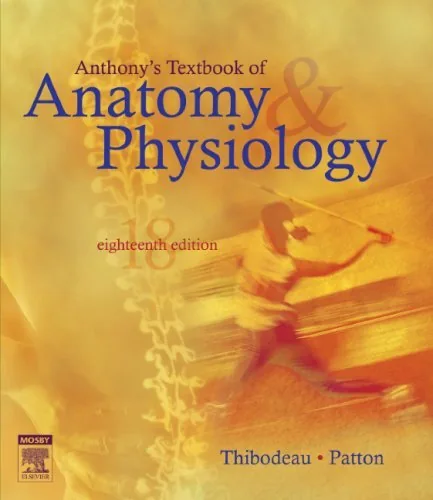
Anthony's Textbook of Anatomy & Physiology, 18th Edition introduces human structure and function for nursing, allied health, and introductory science students. Gary A. Thibodeau and Kevin T. Patton connect cellular processes with major body systems, using organized explanations and illustrations to show how those systems work together.
Inside this title
Integrated explanations of human anatomy and physiological function
Current listed price $20.00Regular price $62.00Digital ebook
The text begins with the organization of the human body and the vocabulary used to describe it, then develops cellular structure, membrane transport, and other processes underlying tissue and organ function. Its integrated treatment of anatomy and physiology keeps physical structures connected to their roles in the living body.
Coverage progresses through the skin, skeleton, muscles, nervous and endocrine systems, circulation, respiration, digestion, and other major systems. Interactions involving fluid balance, immunity, and reproduction extend that systems-based view. Illustrations support the written explanations for students building an initial foundation in human biology. This edition can serve nursing and allied health coursework as well as introductory study in related health science programs.
Study guide included
Inside Anthony's Textbook of Anatomy & Physiology, 18th Edition.
Thibodeau and Patton present human anatomy and physiology as one connected subject, moving from body organization and cells to the major organ systems. The text pairs explanation with illustration for nursing, allied health, and introductory science students who need a foundation in how structure supports function.
The guide follows the textbook's systems-based sequence, starting with the language used to describe the body and the cellular processes beneath tissue function. It then works through skin, skeleton, muscle, nervous and endocrine control, circulation, respiration, and digestion. Later themes gather fluid balance, immunity, and reproduction into the same framework. Each section keeps anatomy and physiology together, so a structure is studied through the role it performs. Illustrations and organized explanations support readers who are building their first serious foundation in human biology.
Body organization and the language of anatomy
The text begins with the terms and levels used to describe the body, from cells to organs to systems. Precise vocabulary lets later chapters refer to position, structure, and function without ambiguity. The theme treats terminology as a working tool rather than a list to memorize. It sets up the systems-based approach that follows.
Learn positional and directional terms early
Distinguish levels of biological organization
Use vocabulary as a tool for later chapters
Topic 1
Cells, membranes, and transport
Cellular structure underlies everything the organ systems do. The book explains membrane transport and related processes as the bridge between cell activity and tissue function. The theme keeps physiology grounded in mechanisms rather than descriptions alone. Readers see why cellular detail matters for understanding larger systems.
Connect cell structure to cell function
Explain how substances cross membranes
Link cellular processes to tissue behavior
Topic 2
Tissues, skin, and the body's cover
Tissues organize cells into functional groups, and the integumentary system applies that organization to protection, sensation, and temperature regulation. The theme shows how a single system performs several jobs at once. It reinforces the book's habit of connecting structure with the functions it makes possible.
Group tissues by structure and role
Relate skin layers to their functions
Connect protection with sensation and temperature
Topic 3
Skeleton, muscle, and movement
Bones provide support and leverage while muscles generate force, and the two systems are treated together. The theme follows how joints, muscle tissue, and nerve signals combine to produce movement. Anatomy and physiology stay linked throughout. Readers see movement as a coordinated result rather than a single tissue's property.
Relate bone structure to support and leverage
Describe how muscle contraction produces force
Show how joints and nerves coordinate movement
Topic 4
Nervous and endocrine control
Two control systems regulate the body at different speeds and through different means. The nervous system handles rapid signaling, while the endocrine system works through hormones and longer time frames. The theme compares their roles and shows where they interact. It gives readers a framework for understanding regulation across the other systems.
Contrast rapid nerve signaling with hormonal control
Trace how the two systems influence each other
Apply the control model to other systems
Topic 5
Circulation, respiration, digestion, and balance
The remaining systems keep the body supplied, cleansed, and stable. The book connects circulation, respiration, and digestion with fluid balance, immunity, and reproduction. The theme emphasizes interaction, since no system works in isolation. It closes the guide by showing how the earlier foundations support a whole-body view.
Follow oxygen and nutrients through the body
Connect waste removal with fluid balance
Show how immunity and reproduction fit the model
Topic 6
Topic map
Organization of the Human BodyTopic 1
Cells and Membrane TransportTopic 2
Tissues and the Integumentary SystemTopic 3
Skeletal and Muscular SystemsTopic 4
Nervous and Endocrine SystemsTopic 5
Circulation, Respiration, and DigestionTopic 6
Fluid Balance, Immunity, and ReproductionTopic 7
Key takeaways
Anatomy and physiology are taught together so each structure is understood through its function.
Cellular processes provide the mechanism that explains what happens at tissue and organ level.
The systems-based sequence rewards readers who learn terminology before moving to interactions.
Nursing and allied health students taking an introductory anatomy and physiology course, plus readers in related health science programs who need a structured foundation in human biology.
Topics covered
human anatomy
physiology textbook
body systems
cellular transport
integumentary system
nervous system
endocrine control
nursing foundation
Questions about this ebook.
Edition, audience, and study-guide details at a glance.
What is Anthony's Textbook of Anatomy & Physiology, 18th Edition about?
Anthony's Textbook of Anatomy & Physiology, 18th Edition introduces human structure and function for nursing, allied health, and introductory science students. Gary A. Thibodeau and Kevin T. Patton connect cellular processes with major body systems, using organized explanations and illustrations to show how those systems work together.
Which edition of Anthony's Textbook of Anatomy & Physiology, 18th Edition is this?
This listing is for the 18th edition. Check the title, ISBN, and book details above before ordering, especially if your course or reading list names a specific edition.
Who is Anthony's Textbook of Anatomy & Physiology, 18th Edition for?
Nursing and allied health students taking an introductory anatomy and physiology course, plus readers in related health science programs who need a structured foundation in human biology.
Does this page include a study guide?
Yes. This page includes an original study guide with six thematic sections, key takeaways, and a topic map for structured reading.