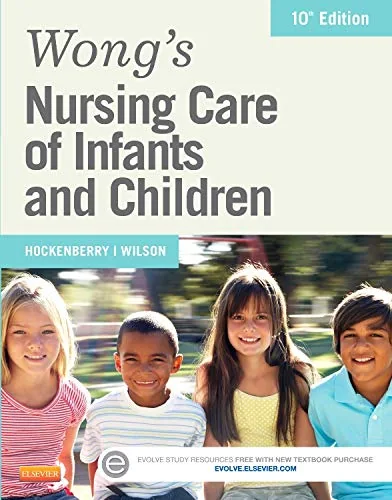
Wong's Nursing Care of Infants and Children presents pediatric nursing through developmental stages, body systems, and family-centered care. The tenth edition covers growth, prevention, acute illness, and chronic conditions from infancy through adolescence, using illustrations, cases, and nursing care plans for students studying the care of children and families.
Inside this title
Relates pediatric care to developmental stages and body systems
Current listed price $31.99Regular price $102.00Digital ebook
Developmental stage affects both a child's health needs and the way nursing care is delivered. This text places growth and development alongside body-system disorders, allowing readers to consider normal milestones and the changes associated with illness. Health promotion includes nutrition, safety, immunization, and anticipatory guidance.
Family participation and atraumatic care shape the discussion of assessment, procedures, and interventions. Clinical content addresses common respiratory, gastrointestinal, neurological, and other pediatric disorders, with care plans and cases relating theory to nursing actions. Published in 2015, the tenth edition also considers genetics and community health. It supports pediatric nursing coursework and review of the developmental and family context surrounding care for infants, children, and adolescents.
Study guide included
Inside Wong's Nursing Care of Infants and Children, 10th Edition.
A pediatric nursing guide built around the household rather than the child alone. Development shapes how nurses gather information, prevent harm, explain procedures, judge pain, and set priorities, from newborn adjustment through adolescence, the hospital stay, long-term conditions, and serious illness.
The first chapters look at what shapes a child's health: household means, cultural assumptions, inherited risk, and the way people talk with one another. Assessment blends interview, examination, growth records, observations of development, and a measure of discomfort. Units follow neonates, babies, and older children through prevention, then turn to long-term conditions, disability, the hospital stay, and care at the end of life. Final chapters arrange disorders by system, covering fluid and electrolyte balance, kidney, lung, heart, blood, immune, cancer, brain, hormone, skin, and movement problems. Plans link what is found to what is done and to the question that review must answer.
Read the household first
A family-centred approach opens with questions about who backs the child, what the household makes of the difficulty, and what help is already in place. The child adds what their way of communicating allows. Cultural assumptions and family history can inform questions but cannot forecast preferences, and one quiet encounter should never be stretched into a verdict about development.
Ask who gives care and decides.
Let the child join at their level.
Resist judging from a single visit.
Chs. 1–6
Separate adjustment from trouble
Early newborn care covers the move to life outside the womb, feeding, warmth, and teaching parents, and it divides ordinary issues from those needing intensive neonatal support. Age at birth, physiological settling, and home circumstances change what an observation means. Infant feeding and growth only read correctly against reported routine and new skills, so one weight or one feed is a single point, not a verdict.
Judge findings against maturity and settling.
Read weights against the family's account.
Aim teaching at ordinary daily life.
Chs. 7–11
Match teaching to the stage
Toddlers move before they can judge danger, preschoolers make sense of explanations only via what they have already lived through, and older children can report symptoms and take on routines. Teenagers bring puberty, a wish for independence, privacy, and health habits into the room. Nurses tie each preventive step to a capacity or exposure that shifts with age, while allowing for individual difference and family involvement.
Pair every risk with a changing ability.
Bring older children into decisions.
Settle privacy with teenager and family.
Chs. 12–18
Fit plans into everyday life
Long-term illness reaches into school, play, sleep, friendships, and how a household divides its work, and a child may prize an activity that a clinical aim treats as minor. Sound planning draws on family strengths, siblings' needs, and what resources exist. Cognitive or sensory difficulty changes how information arrives and how understanding is shown, so strategies should come from the child and carers themselves.
Ask which activity the child values.
Draw on family strength and resources.
Plan handovers with those who follow.
Chs. 19–20
Lighten the hospital experience
A stay breaks routine and brings worry, pain, time apart from carers, and a feeling of lost control, and a toddler and a teenager will each need a different briefing for one identical event. Carers who stay, honest words, comfort, and real choices all help a child cope. Skills such as collecting a specimen sit inside preparation, safety, consent, and review, and the record should note how the child took the support offered.
Foresee what the child will face.
Offer choices within clinical limits.
Record how preparation was received.
Chs. 21–22
Track change across body systems
Later chapters group fluid, kidney, gut, lung, and heart problems by function, then add blood, immune, cancer, brain, hormone, skin, and movement conditions. Each brings its own watching and teaching needs. Plans join what is found to what is done and to an expected result, while a handover naming the usual baseline, the shift, and the next check tells the receiving team far more than a label.
Sort findings by function and course.
Say what shifted from the child's norm.
Name the next thing to review.
Chs. 23–34
Chapter and section map
Perspectives of Pediatric NursingCh. 1
Communication, Physical, and Developmental AssessmentCh. 4
The High-Risk Newborn and FamilyCh. 9
Health Promotion of the Adolescent and FamilyCh. 17
Impact of Chronic Illness, Disability, or End-of-Life CareCh. 19
Family-Centered Care During Illness and HospitalizationCh. 21
Pediatric Nursing Interventions and SkillsCh. 22
The Child With Fluid and Electrolyte ImbalanceCh. 23
Key takeaways
Weigh carer report, the child's version, and clinical signs together before reading a change.
Pick preparation and pain methods that fit how this child communicates and their age.
Every handover should state the usual baseline, the shift, and what needs rechecking.
Nursing students and pediatric nurses who need a broad, developmentally grounded reference for hospital and community care of babies, children, and their families, including readers heading into clinical placements.
Topics covered
pediatric nursing
family centered care
atraumatic care
child development
pain assessment
pediatric hospitalization
chronic illness in children
nursing care plans
Other editions of this title.
Compare editions, prices, and book details before you choose.
Edition, audience, and study-guide details at a glance.
What is Wong's Nursing Care of Infants and Children, 10th Edition about?
Wong's Nursing Care of Infants and Children presents pediatric nursing through developmental stages, body systems, and family-centered care. The tenth edition covers growth, prevention, acute illness, and chronic conditions from infancy through adolescence, using illustrations, cases, and nursing care plans for students studying the care of children and families.
Which edition of Wong's Nursing Care of Infants and Children, 10th Edition is this?
This listing is for the 10th edition. Check the title, ISBN, and book details above before ordering, especially if your course or reading list names a specific edition.
Who is Wong's Nursing Care of Infants and Children, 10th Edition for?
Nursing students and pediatric nurses who need a broad, developmentally grounded reference for hospital and community care of babies, children, and their families, including readers heading into clinical placements.
Does this page include a study guide?
Yes. This page includes an original study guide with six thematic sections, key takeaways, and a chapter and section map for structured reading.