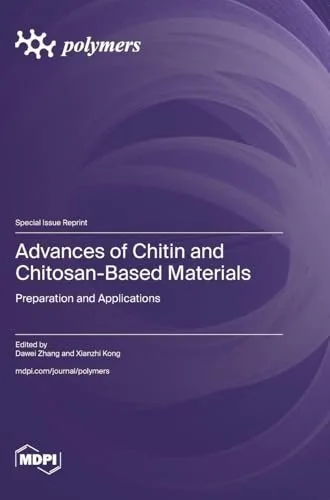
Advances of Chitin and Chitosan-Based Materials: Preparation and Applications
Edited by Dawei Zhang, Xianzhi Kong
About this ebook
Advances of Chitin and Chitosan-Based Materials: Preparation and Applications collects research and reviews on natural polymer materials. Edited by Dawei Zhang and Xianzhi Kong, it examines preparation, modification, characterization, hydrogels, and applications in drug delivery, tissue engineering, antimicrobial surfaces, water treatment, and packaging for interdisciplinary materials researchers.
Inside this title
Chitin and chitosan preparation, modification, and characterization
Current listed price $29.99Regular price $53.00Digital ebook
Chitin and chitosan provide the starting materials for this collection's investigations of polymer design. Preparation and modification methods are connected with the physicochemical properties of the resulting materials. Hydrogel systems receive particular attention through questions of porosity, strength, degradation, and the relationship between fabrication and performance.
Applications extend from drug delivery and tissue scaffolds to antimicrobial coatings, wound-related materials, adsorbents, and food packaging. The mixture of research papers and reviews brings several experimental approaches into one volume while retaining a focus on these related biopolymers. Materials scientists, polymer chemists, biomedical engineers, and environmental researchers can use the collection to examine applications and compare material design choices across fields.
Study guide included
Inside Advances of Chitin and Chitosan-Based Materials: Preparation and Applications.
Zhang and Kong gather research and reviews on two related natural polymers. The guide follows chitin and chitosan from preparation and modification through characterization, then into hydrogels, drug delivery, tissue scaffolds, antimicrobial surfaces, water treatment, and packaging. Each application is tied back to how the material was made and what its properties allow.
Chitin and chitosan supply the starting materials for the collection's investigations of polymer design. Preparation and modification methods are connected with the physicochemical properties of the resulting materials, and hydrogel systems receive particular attention through porosity, mechanical strength, and degradation. Applications range from drug delivery and tissue scaffolds to antimicrobial coatings, wound-related materials, adsorbents, and food packaging. Mixing research papers with reviews, the volume keeps a shared focus on these two biopolymers while drawing on several experimental approaches. Materials scientists, polymer chemists, biomedical engineers, and environmental researchers can compare design choices across fields.
Preparing and modifying chitin and chitosan
The collection begins with how these biopolymers are obtained and altered before use. Preparation and modification change solubility, surface chemistry, and the way the material behaves in a given application. The section treats processing as a design decision, showing that the same starting polymer can yield different materials depending on how it is treated.
Trace preparation from source polymer
See modification as a design choice
Connect treatment to solubility and surface
Topic 1 · Preparation and Modification
Characterizing the biopolymer materials
Characterization links what was made with what it can do. The section considers the physicochemical properties of chitin and chitosan materials and how measurement supports claims about their behavior. Rather than treating analysis as a final check, it presents characterization as part of an iterative design loop in which findings inform the next preparation step.
Link measured properties to behavior
Treat characterization as iterative, not final
Let findings guide the next preparation
Topic 2 · Characterization
Hydrogels: porosity, strength, and degradation
Hydrogel systems receive particular attention because their internal structure governs how they hold water, bear load, and break down. The section examines porosity, mechanical strength, and degradation as linked properties that follow from fabrication. Readers see that improving one attribute, such as strength, may change another, such as degradation rate.
Relate porosity to water retention
Treat strength and degradation as linked
Watch for tradeoffs in gel design
Topic 3 · Hydrogel Design
Drug delivery and tissue scaffolds
Biomedical applications use these polymers as carriers and as supports for cells. The section considers drug delivery and tissue scaffolds as design problems in which release, structure, and compatibility must fit a biological setting. The connection to preparation returns here, because the material's processing determines how it behaves once placed in the body.
Design carriers for controlled release
Build scaffolds that support cells
Match material behavior to biology
Topics 4–5 · Drug Delivery and Tissue Scaffolds
Antimicrobial and wound-related materials
Antimicrobial surfaces and wound-related materials apply the polymers where infection control and healing matter. The section asks how material form and surface properties influence that use, and how such materials fit alongside other treatment. As elsewhere in the collection, the application is understood through the preparation and characterization that precede it.
Connect surface form to antimicrobial use
Place materials within wider care
Read application back to preparation
Topic 6 · Antimicrobial and Wound Materials
Water treatment and food packaging
Environmental and food applications extend the polymers beyond medicine. The section covers adsorbents for water treatment and materials for food packaging, where the material must perform reliably in demanding conditions. These uses raise questions about capacity, stability, and suitability that connect back to the same preparation and property concerns seen earlier.
Examine adsorbents for water treatment
Consider packaging under demanding conditions
Link capacity and stability to preparation
Topics 7–8 · Adsorbents and Food Packaging
Topic map
Chitin and Chitosan PreparationTopic 1
Modification and CharacterizationTopic 2
Hydrogel Design and PropertiesTopic 3
Drug Delivery SystemsTopic 4
Tissue Engineering ScaffoldsTopic 5
Antimicrobial and Wound MaterialsTopic 6
Adsorbents and Water TreatmentTopic 7
Food Packaging ApplicationsTopic 8
Key takeaways
Treat preparation and modification as design decisions that shape every later property.
Read hydrogel porosity, strength, and degradation as linked properties rather than separate ones.
Connect each biomedical or environmental use back to how the material was made.
Materials scientists, polymer chemists, biomedical engineers, and environmental researchers who work with chitin and chitosan and want to compare preparation, properties, and applications across fields.
Topics covered
chitin and chitosan
biopolymer preparation
chitosan hydrogels
drug delivery
tissue engineering
antimicrobial materials
water treatment adsorbents
food packaging
Questions about this ebook.
Edition, audience, and study-guide details at a glance.
What is Advances of Chitin and Chitosan-Based Materials: Preparation and Applications about?
Advances of Chitin and Chitosan-Based Materials: Preparation and Applications collects research and reviews on natural polymer materials. Edited by Dawei Zhang and Xianzhi Kong, it examines preparation, modification, characterization, hydrogels, and applications in drug delivery, tissue engineering, antimicrobial surfaces, water treatment, and packaging for interdisciplinary materials researchers.
Who is Advances of Chitin and Chitosan-Based Materials: Preparation and Applications for?
Materials scientists, polymer chemists, biomedical engineers, and environmental researchers who work with chitin and chitosan and want to compare preparation, properties, and applications across fields.
Does this page include a study guide?
Yes. This page includes an original study guide with six thematic sections, key takeaways, and a topic map for structured reading.