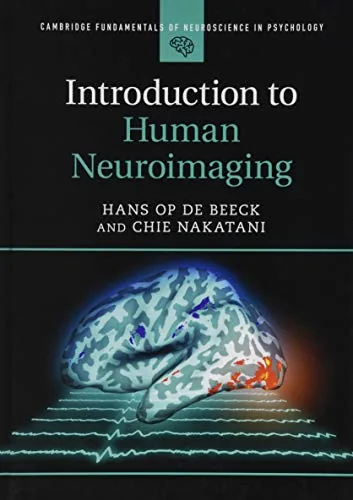
Introduction to Human Neuroimaging explains the principles, signals, and uses of major brain-imaging methods. Coverage includes fMRI, EEG, MEG, PET, and near-infrared spectroscopy, with attention to experimental design, analysis, interpretation, and methodological limits. The textbook addresses undergraduate and graduate students in behavioral and brain sciences seeking a conceptual foundation for reading neuroimaging research.
Inside this title
Introduces fMRI, EEG, MEG, PET, and near-infrared spectroscopy principles
Current listed price $28.00Regular price $63.00Digital ebook
The text introduces what different neuroimaging techniques measure and the physical principles behind their signals. Functional MRI, electroencephalography, magnetoencephalography, positron emission tomography, and near-infrared spectroscopy are compared through their capabilities and limitations. Conceptual explanation takes priority over extensive mathematical detail, supporting readers who are beginning to engage with research methods.
Experimental design topics include block and event-related approaches, while analysis coverage considers preprocessing, motion correction, normalization, and statistical inference. Interpretation receives attention through questions of causation, multiple comparisons, and common errors in reading results. Ethical issues, reproducibility, and open science extend the methodological discussion. Students can use the book to connect a study's research question with its measurement choices and analytical assumptions.
Study guide included
Inside Introduction to Human Neuroimaging.
This textbook explains what major brain-imaging methods measure and how their signals are produced. fMRI, EEG, MEG, PET and near-infrared spectroscopy are compared through capability and limitation, with experimental design, analysis and interpretation treated as parts of one research workflow.
The book introduces the physical principles behind neuroimaging signals before comparing how different techniques capture brain activity. Functional MRI, electroencephalography, magnetoencephalography, positron emission tomography and near-infrared spectroscopy are set against one another in terms of what they can and cannot show. Conceptual explanation is favoured over heavy mathematics, which suits readers beginning to engage with research methods. Experimental design covers block and event-related approaches, while analysis considers preprocessing, motion correction, normalization and statistical inference. Interpretation is addressed through questions of causation, multiple comparisons and common errors. Ethics, reproducibility and open science extend the methodological discussion so that measurement choices can be connected to the assumptions they carry.
Signals and measurement principles
Each imaging method rests on a physical signal. The book explains what those signals reflect before moving to application, giving readers a basis for understanding why techniques differ in what they reveal about the brain.
Methods are grounded in physical signals
Signal origin shapes what can be measured
Principles precede practical application
Topic 1
Comparing imaging modalities
fMRI, EEG, MEG, PET and near-infrared spectroscopy are presented through their capabilities and limits. Placing them together shows why a research question may favour one technique over another rather than relying on a single preferred method.
Techniques differ in temporal and spatial reach
Each method carries distinct limitations
Question and method should be matched
Topic 2
Experimental design
Design is treated as the link between a research question and the measurements taken. Block and event-related approaches are introduced to show how the arrangement of stimuli and conditions shapes the data that analysis will later address.
Design connects questions to measurements
Block and event-related approaches differ
Stimulus arrangement shapes resulting data
Topic 3
Preprocessing and analysis
Analysis begins with preparing raw data. Preprocessing, motion correction, normalization and statistical inference are described as stages that influence what a result means, not as neutral technical steps.
Preprocessing prepares data for analysis
Motion correction addresses a common problem
Statistical inference needs careful handling
Topic 4
Interpretation and common errors
Reading results requires caution. Causation, multiple comparisons and familiar interpretive mistakes are examined so that readers can assess claims rather than accept images at face value.
Causal claims need particular caution
Multiple comparisons can inflate findings
Common errors affect interpretation
Topic 5
Ethics, reproducibility and open science
Methodological responsibility extends beyond analysis. Ethical conduct, reproducibility and open-science practices are presented as part of doing and evaluating neuroimaging research well.
Ethical practice governs research conduct
Reproducibility strengthens findings
Open science supports scrutiny
Topic 6
Topic map
Neuroimaging Signals and Physical PrinciplesTopic 1
Functional MRITopic 2
EEG and MEGTopic 3
PET and Near-Infrared SpectroscopyTopic 4
Experimental DesignTopic 5
Preprocessing and Statistical AnalysisTopic 6
Interpretation, Reproducibility and EthicsTopic 7
Key takeaways
Understand each method through the signal it measures and the limits that follow.
Connect design choices to the analysis and interpretation they make possible.
Treat causation, multiple comparisons and reproducibility as interpretive responsibilities.
Undergraduate and graduate students in behavioural and brain sciences who need a conceptual foundation for reading neuroimaging research without advanced mathematics.
Topics covered
Introduction to Human Neuroimaging
human neuroimaging methods textbook
fMRI EEG MEG PET explained
brain imaging experimental design
neuroimaging preprocessing and analysis
signal interpretation and limitations
reproducibility and open science
behavioural and brain sciences methods
Questions about this ebook.
Edition, audience, and study-guide details at a glance.
What is Introduction to Human Neuroimaging about?
Introduction to Human Neuroimaging explains the principles, signals, and uses of major brain-imaging methods. Coverage includes fMRI, EEG, MEG, PET, and near-infrared spectroscopy, with attention to experimental design, analysis, interpretation, and methodological limits. The textbook addresses undergraduate and graduate students in behavioral and brain sciences seeking a conceptual foundation for reading neuroimaging research.
Who is Introduction to Human Neuroimaging for?
Undergraduate and graduate students in behavioural and brain sciences who need a conceptual foundation for reading neuroimaging research without advanced mathematics.
Does this page include a study guide?
Yes. This page includes an original study guide with six thematic sections, key takeaways, and a topic map for structured reading.