

Curated reading setExplore this set
Art History & Archaeology
Trace art history from major artists and global art movements to ancient Greek art and archaeology with three accessible ebooks.
$47.68$52.98
10% less than current individual prices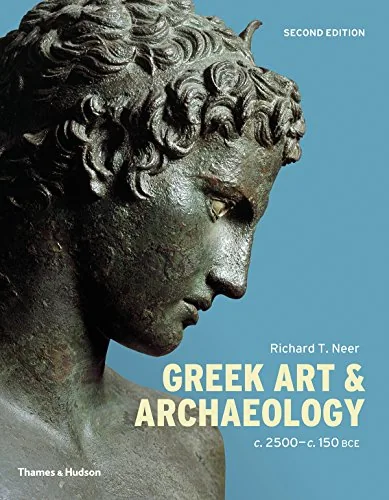
Greek Art & Archaeology, second edition, by Richard T. Neer surveys ancient Greek material culture from the Bronze Age through the Hellenistic period. Art history and classical archaeology students examine sculpture, vase painting, architecture, sites, and archaeological methods, relating surviving objects to political change, trade, religious practice, and historical interpretation.
Digital ebook. Checkout sends an order request.
Trace art history from major artists and global art movements to ancient Greek art and archaeology with three accessible ebooks.
Neer combines the interpretation of ancient artworks with the archaeological practices that make those interpretations possible. The chronological account includes Minoan, Mycenaean, Geometric, Archaic, Classical, and Hellenistic material, connecting stylistic developments with the societies that produced and used the objects.
Sites such as Knossos, Mycenae, Delphi, Athens, Olympia, and Pergamon provide settings for examining architecture, sculpture, and painted pottery. Methods including stratigraphy, typology, dating, and provenance research show how evidence is assessed. Photographs, drawings, and maps support the discussion. The second edition is intended for undergraduate Greek art, archaeology, and classical civilization courses and readers seeking an integrated introduction to Greek visual and material culture.
A study companion to Richard Neer's second edition that reads ancient Greek art and archaeology as a single inquiry, pairing images, buildings, sites, and excavated objects with the dating, context, and interpretive methods that turn fragmentary evidence into a plausible history.
The guide follows the survey chronologically while insisting on method. It opens with Bronze Age Crete, the Cyclades, and the Mycenaean mainland, comparing palaces, burials, and craft production. Postpalatial change is read as uneven rather than uniform, using settlement and burial evidence alongside style. Archaic chapters connect sanctuaries, sculpture, coinage, and painted pottery to social practice and exchange. Classical coverage links the Athenian Akropolis and regional sites to civic rebuilding, while the Hellenistic section follows patrons and audiences across kingdoms. Throughout, the guide separates secure observation from inference about manufacture, use, deposition, and date—the core skill the book teaches.
Craft, architecture, burial, and imagery show how Bronze Age elites organized resources and displayed relationships.
The postpalatial record shows change happening at different speeds across settlement, exchange, and craft.
Temples, coins, painted vessels, and statues took part in social life as well as stylistic change.
Olympia and Delphi show how worship sites also let communities present themselves to visitors.
Fifth-century form becomes clearer when civic rebuilding and local patronage enter the analysis.
Monuments and images addressed patrons and viewers across the cities and kingdoms after Alexander.
Undergraduate students of Greek art, archaeology, and classical civilization, and general readers new to the material.
Edition, audience, and study-guide details at a glance.
Greek Art & Archaeology, second edition, by Richard T. Neer surveys ancient Greek material culture from the Bronze Age through the Hellenistic period. Art history and classical archaeology students examine sculpture, vase painting, architecture, sites, and archaeological methods, relating surviving objects to political change, trade, religious practice, and historical interpretation.
This listing is for the 2nd edition. Check the title, ISBN, and book details above before ordering, especially if your course or reading list names a specific edition.
Undergraduate students of Greek art, archaeology, and classical civilization, and general readers new to the material.
Yes. This page includes an original study guide with six thematic sections, key takeaways, and a chapter and section map for structured reading.
More books from this carefully grouped reading set.