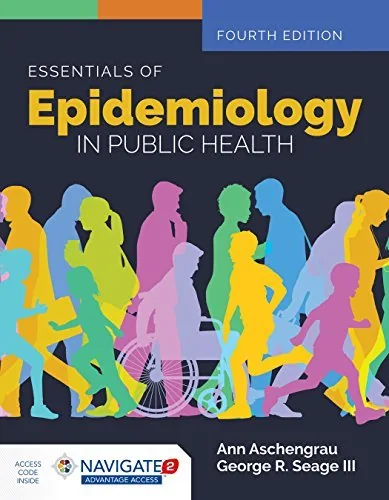
Essentials of Epidemiology in Public Health, 4th Edition
By Ann Aschengrau, George R. Seage III
About this ebook
Essentials of Epidemiology in Public Health, Fourth Edition, introduces the methods used to study disease in populations. Ann Aschengrau and George R. Seage III connect frequency measures, study designs, bias, confounding, effect modification, screening, and causal reasoning with public health examples for students and researchers beginning epidemiologic study.
Inside this title
Disease frequency measures including incidence, prevalence, and mortality
Current listed price $25.99Regular price $78.00Digital ebook
The text begins with the scope of epidemiology and the measures used to describe disease frequency. Incidence, prevalence, and mortality provide a basis for comparing populations and understanding the questions different study designs can address. Cohort, case-control, cross-sectional, and ecological approaches are examined through public health applications.
Later topics address selection and information bias, confounding, effect modification, and causal inference. Screening concepts connect sensitivity, specificity, and predictive values with interpretation, while ethical considerations place research methods in their human context. The fourth edition suits introductory MPH coursework and readers from clinical research or public health practice who want a structured account of how epidemiologic evidence is produced and evaluated.
Study guide included
Inside Essentials of Epidemiology in Public Health, 4th Edition.
An introduction to the methods used to study disease in populations. Aschengrau and Seage connect measures of frequency, study designs, bias, confounding, effect modification, screening, and causal reasoning to public health examples, giving students and researchers a structured way to produce and evaluate epidemiologic evidence.
The text opens with the scope of epidemiology and the measures used to describe how often disease occurs. Incidence, prevalence, and mortality allow populations to be compared and clarify which questions a design can answer. Cohort, case-control, cross-sectional, and ecological approaches are examined through public health applications. Later material takes up selection and information bias, confounding, effect modification, and causal inference. Screening links sensitivity, specificity, and predictive values to interpretation, while ethics places methods in a human context. The fourth edition is organized for introductory graduate study.
Measuring How Often Disease Occurs
Incidence, prevalence, and mortality are presented as distinct measures with different meanings and uses. The text shows how each is calculated and what comparisons it supports. Readers learn to choose a measure matching the question, then interpret what the resulting number does and does not reveal about a population.
Distinguish incidence from prevalence
Interpret what mortality measures show
Match measures to specific research questions
Topic 2
Comparing Major Epidemiologic Study Designs
Cohort, case-control, cross-sectional, and ecological designs are compared by what they can observe and what they cannot. The book relates design choice to timing, sampling, and the kind of association a study can estimate. Public health examples show why a design's limits shape interpretation, not just its strengths.
Compare cohort and case-control logic
Relate study timing to design choice
Recognize what each design cannot show
Topics 3–5
Bias, Confounding, and Systematic Error
Systematic error is treated as something to anticipate rather than detect afterward. Selection and information bias are explained alongside confounding, with attention to how each distorts an observed association. Readers consider design and analytic responses instead of relying only on correction after data collection is complete.
Anticipate selection and information bias
Distinguish confounding from other systematic error
Choose design responses to reduce bias
Topic 6
Effect Modification and Causal Inference
The text separates effect modification from confounding and explains why the distinction changes interpretation. Causal reasoning is presented through criteria and judgment rather than a single test. Readers practice asking whether an association plausibly reflects cause within a particular population and study setting, and how that judgment should be qualified.
Separate effect modification from confounding
Apply causal criteria with judgment
Ask whether associations reflect real causes
Topic 7
Screening Programs and Test Interpretation
Screening concepts are built from sensitivity, specificity, and predictive values. The book shows how prevalence affects what a positive result means and why a good test can still mislead. Readers connect these ideas to program decisions and to how individuals should read their own results.
Define sensitivity and specificity clearly
Show how prevalence changes predictive value
Interpret screening results with caution
Topic 8
Research Ethics and Critical Appraisal
Research ethics and critical reading are treated as parts of method rather than add-ons. The text places studies in their human context and gives readers tools to assess published findings. The goal is informed judgment about evidence, not acceptance of reported conclusions at face value.
Apply ethical standards to study conduct
Read published studies critically
Judge evidence instead of accepting conclusions
Topics 1 and 8
Topic map
Scope and uses of epidemiologyTopic 1
Disease frequency measuresTopic 2
Cohort designTopic 3
Case-control and cross-sectionalTopic 4
Ecological designTopic 5
Bias and confoundingTopic 6
Effect modification and causal inferenceTopic 7
Screening, ethics, appraisalTopic 8
Key takeaways
Match each frequency measure to the question it can actually answer about a population.
Anticipate bias and confounding at the design stage rather than correcting after collection.
Remember that disease prevalence changes what a screening result means for an individual.
MPH students, clinical researchers, and practicing public health practitioners who need a structured introduction to epidemiologic methods, study design, and critical evaluation of published evidence.
Topics covered
epidemiology methods
disease frequency
study design
confounding in epidemiology
causal inference
public health screening
public health
Questions about this ebook.
Edition, audience, and study-guide details at a glance.
What is Essentials of Epidemiology in Public Health, 4th Edition about?
Essentials of Epidemiology in Public Health, Fourth Edition, introduces the methods used to study disease in populations. Ann Aschengrau and George R. Seage III connect frequency measures, study designs, bias, confounding, effect modification, screening, and causal reasoning with public health examples for students and researchers beginning epidemiologic study.
Which edition of Essentials of Epidemiology in Public Health, 4th Edition is this?
This listing is for the 4th edition. Check the title, ISBN, and book details above before ordering, especially if your course or reading list names a specific edition.
Who is Essentials of Epidemiology in Public Health, 4th Edition for?
MPH students, clinical researchers, and practicing public health practitioners who need a structured introduction to epidemiologic methods, study design, and critical evaluation of published evidence.
Does this page include a study guide?
Yes. This page includes an original study guide with six thematic sections, key takeaways, and a topic map for structured reading.